
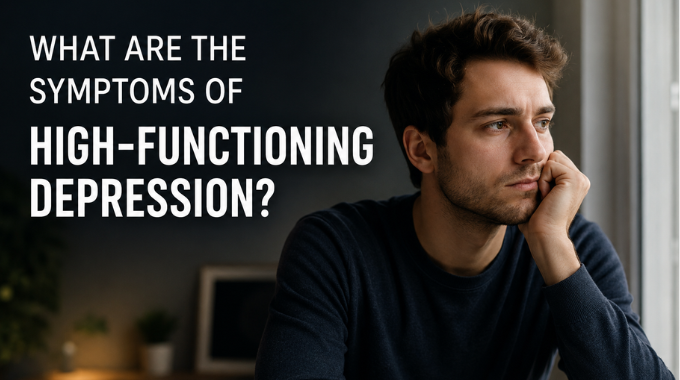
High-functioning depression can be difficult to identify because individuals often continue managing their daily responsibilities while silently struggling emotionally. Although they may appear successful, social, and productive, they may still experience ongoing depressive symptoms that affect their mental and physical well-being.
Signs of High-Functioning Depression
- Persistent Low Mood
Feeling sad, emotionally drained, or empty for long periods while still managing everyday responsibilities. - Constant Fatigue
Experiencing mental and physical exhaustion even after getting enough sleep or rest. - Difficulty Enjoying Life
Losing interest in hobbies, social activities, or experiences that once felt exciting and meaningful. - Overworking and Perfectionism
Staying constantly busy or chasing perfection to hide emotional struggles and avoid vulnerability. - Low Self-Esteem
Frequently criticizing yourself and feeling “not good enough” despite achievements or success. - Irritability and Mood Swings
Becoming easily frustrated, emotionally sensitive, or overwhelmed by small situations. - Trouble Concentrating
Struggling with focus, memory, decision-making, and experiencing mental fog during daily tasks. - Sleep Problems
Facing insomnia, restless sleep, or oversleeping while still waking up feeling tired. - Appetite Changes
Eating too much for comfort or losing interest in food due to emotional stress and sadness. - Emotional Numbness
Feeling disconnected from emotions and unable to fully experience happiness or excitement. - Social Withdrawal
Avoiding emotional conversations and slowly distancing yourself from friends or family. - Hiding Emotions Behind a Smile
Appearing happy, positive, or successful in public while struggling internally in private. - Feeling Overwhelmed Easily
Simple daily responsibilities may start feeling emotionally exhausting and difficult to manage. - Lack of Motivation
Continuing daily routines without enthusiasm, energy, or emotional satisfaction. - Emotional Burnout
Constantly suppressing emotions and maintaining responsibilities can lead to long-term mental exhaustion.
What Is High-Functioning Depression?
High-functioning depression is not always considered an official clinical diagnosis, but it is commonly used to describe a milder yet long-lasting form of depression. It is often associated with Persistent Depressive Disorder (PDD), also known as dysthymia, a chronic mood disorder characterized by ongoing depressive symptoms lasting for years.
Unlike temporary sadness that comes and goes after difficult situations, high-functioning depression involves persistent emotional struggles that affect mental well-being over time. A person may continue performing daily responsibilities while constantly feeling emotionally drained, unmotivated, or disconnected.
People with this condition may experience:
- Ongoing sadness or emotional numbness
- Chronic fatigue and low motivation
- Difficulty enjoying life
- Negative self-talk and low self-esteem
- Emotional burnout despite outward success
Difference Between Sadness and Chronic Depression
| Aspect | Sadness | High-Functioning / Chronic Depression |
| Duration | Usually temporary and improves with time | Lasts for months or even years |
| Cause | Often linked to a specific situation or event | May occur without a clear reason and remain ongoing |
| Emotional State | Feeling upset, disappointed, or low for a short period | Persistent emptiness, hopelessness, or emotional numbness |
| Daily Functioning | Normal functioning usually returns quickly | People continue functioning but struggle internally |
| Energy Levels | Temporary tiredness or emotional stress | Constant fatigue and mental exhaustion |
| Enjoyment in Life | Still able to enjoy happy moments | Difficulty feeling joy or emotional connection |
| Self-Esteem | Usually remains stable | Frequent self-criticism and feelings of inadequacy |
| Impact on Relationships | Short-term emotional effect | Long-term emotional withdrawal and isolation |
| Sleep and Appetite | Minor temporary changes | Ongoing sleep problems and appetite changes |
| Need for Professional Help | Often improves naturally with support and time | May require therapy, counseling, or medical treatment |
Link With Persistent Depressive Disorder (PDD)
High-functioning depression is closely linked to Persistent Depressive Disorder (PDD), a long-term form of depression recognized by mental health professionals. PDD symptoms are generally less intense than major depression but last much longer, often continuing for two years or more.
Individuals with PDD may still function in their careers, education, and relationships, which is why the condition can easily go unnoticed. However, the emotional burden remains constant and can gradually worsen over time without proper support or treatment.
Hidden Emotional Struggles Behind Success
Despite appearing successful, individuals with high-functioning depression often experience intense internal struggles. They may constantly battle self-doubt, emotional numbness, anxiety, loneliness, or feelings of inadequacy.
Many become experts at hiding their emotions behind smiles, humor, productivity, or positivity. While others may admire their achievements, few realize the emotional effort required just to get through the day.
This hidden nature of the condition is what makes high-functioning depression especially challenging. Without open conversations and awareness, many people continue suffering silently without receiving the support they need.
Physical Symptoms of High-Functioning Depression
High-functioning depression can also affect physical health. Many people experience ongoing stress-related symptoms while continuing their daily responsibilities.
Frequent Headaches or Body Pain
Chronic stress and emotional exhaustion can lead to headaches, muscle tension, back pain, and body aches. These physical symptoms may become a regular part of daily life.
Digestive Problems
Stress and anxiety linked to depression can affect digestion, causing stomach pain, bloating, nausea, or changes in appetite and eating habits.
Low Motivation
People may continue completing tasks and responsibilities but often feel emotionally disconnected, unmotivated, and mentally drained while doing them.
Constant Fatigue
Even after resting or sleeping, individuals may still feel physically and mentally exhausted throughout the day.
Causes and Risk Factors of High-Functioning Depression
High-functioning depression can develop due to a combination of emotional, psychological, and biological factors. While the exact cause may vary from person to person, certain experiences and personality traits can increase the risk of developing long-term depressive symptoms.
Chronic Stress
Ongoing stress from work, relationships, finances, or personal responsibilities can slowly affect emotional well-being. Constant pressure and emotional exhaustion may increase the risk of high-functioning depression over time.
Trauma or Emotional Neglect
Past traumatic experiences, childhood emotional neglect, or lack of emotional support can contribute to long-term mental health struggles. Unresolved emotional pain may continue affecting thoughts, emotions, and self-esteem later in life.
Genetic and Biological Factors
Depression can sometimes run in families. Chemical imbalances in the brain, hormonal changes, and genetic factors may also increase the likelihood of developing chronic depression.
Personality Traits and Perfectionism
People who are highly self-critical, perfectionistic, or emotionally reserved may be more vulnerable to high-functioning depression. Constantly trying to meet unrealistic expectations can lead to stress, burnout, and emotional exhaustion.
How High-Functioning Depression Affects Daily Life
High-functioning depression can quietly affect many areas of daily life, even when a person appears productive and successful on the outside. Over time, the emotional burden can impact work performance, relationships, and overall mental well-being.
Impact on Work Performance
People with high-functioning depression often continue working and meeting responsibilities, but internally they may struggle with fatigue, stress, lack of motivation, and difficulty concentrating. Tasks that once felt simple can become mentally exhausting, leading to reduced productivity and emotional pressure.
Effects on Relationships
Depression can create emotional distance in personal relationships. Individuals may avoid expressing their feelings, withdraw emotionally, or struggle to connect with others. This can lead to misunderstandings, loneliness, and communication difficulties with family, friends, or partners.
Emotional Burnout Over Time
Constantly hiding emotions while maintaining responsibilities can eventually lead to emotional burnout. Over time, individuals may feel mentally drained, emotionally numb, and overwhelmed by everyday life, making it harder to maintain balance and well-being.
When to Seek Professional Help
Signs Symptoms Are Becoming Severe
If sadness, exhaustion, anxiety, or emotional numbness continue for a long time and become harder to manage, it may be a sign to seek professional help.
Importance of Therapy and Mental Health Support
Therapy can help individuals understand their emotions, manage stress, and develop healthier coping strategies while receiving emotional support.
When Daily Functioning Starts to Decline
Professional help is important when work performance, relationships, motivation, or daily responsibilities start becoming overwhelming and difficult to handle.
Treatment Options for High-Functioning Depression
High-functioning depression can be managed with the right combination of emotional support, healthy habits, and professional treatment. Early support can help improve mental well-being and prevent symptoms from becoming more severe.
Therapy and Counseling
Therapy can help individuals understand their emotions, identify negative thought patterns, and develop healthier coping strategies. Counseling also provides a safe space to openly discuss emotional struggles and stress.
Lifestyle Changes
Healthy lifestyle habits such as regular exercise, proper sleep, balanced nutrition, and stress management can help improve mood, energy levels, and emotional balance over time.
Medication (If Recommended)
In some cases, mental health professionals may recommend medication to help manage depressive symptoms. Medication should always be taken under professional guidance and based on individual needs.
Building a Support System
Having supportive friends, family members, or support groups can reduce feelings of loneliness and emotional pressure. Open communication and emotional support play an important role in recovery and mental well-being.
Tips for Supporting Someone With High-Functioning Depression
Supporting someone with high-functioning depression requires patience, understanding, and emotional support. Even if they appear fine on the outside, they may be silently struggling internally.
Listen Without Judgment
Give them space to talk openly about their feelings without criticizing or dismissing their emotions. Simply listening with empathy can make them feel supported and understood.
Encourage Professional Help
Gently encourage them to seek therapy or mental health support if their symptoms continue affecting their well-being. Professional guidance can help them manage stress and emotional struggles more effectively.
Avoid Minimizing Their Feelings
Avoid saying things like “everyone feels stressed” or “you seem fine.” Even if they appear successful or productive, their emotional pain is still real and should be taken seriously.
Frequently asked question
What is the difference between high-functioning depression and regular depression?
High-functioning depression allows individuals to continue managing daily responsibilities, while regular or major depression may significantly affect daily functioning and routine activities.
Can someone look happy and still be depressed?
Yes, many people with high-functioning depression appear happy, successful, or positive while silently struggling with emotional pain internally.
Is high-functioning depression a medical diagnosis?
High-functioning depression is not always an official medical term, but it is often linked to Persistent Depressive Disorder (PDD), a long-term form of depression.
How long can high-functioning depression last?
Symptoms can last for months or even years if left untreated, especially when individuals ignore or hide their emotional struggles.
Can therapy help with high-functioning depression?
Yes, therapy can help individuals manage emotions, reduce stress, improve coping skills, and support overall mental well-being.
Conclusion
High-functioning depression can be difficult to recognize because many individuals continue appearing successful, productive, and emotionally stable while struggling internally. Even when symptoms are hidden behind smiles and daily routines, the emotional pain and mental exhaustion are very real.
Recognizing the signs early and seeking proper support can make a significant difference in emotional well-being. With therapy, healthy coping strategies, and a strong support system, individuals with high-functioning depression can manage their symptoms and improve their overall quality of life.