
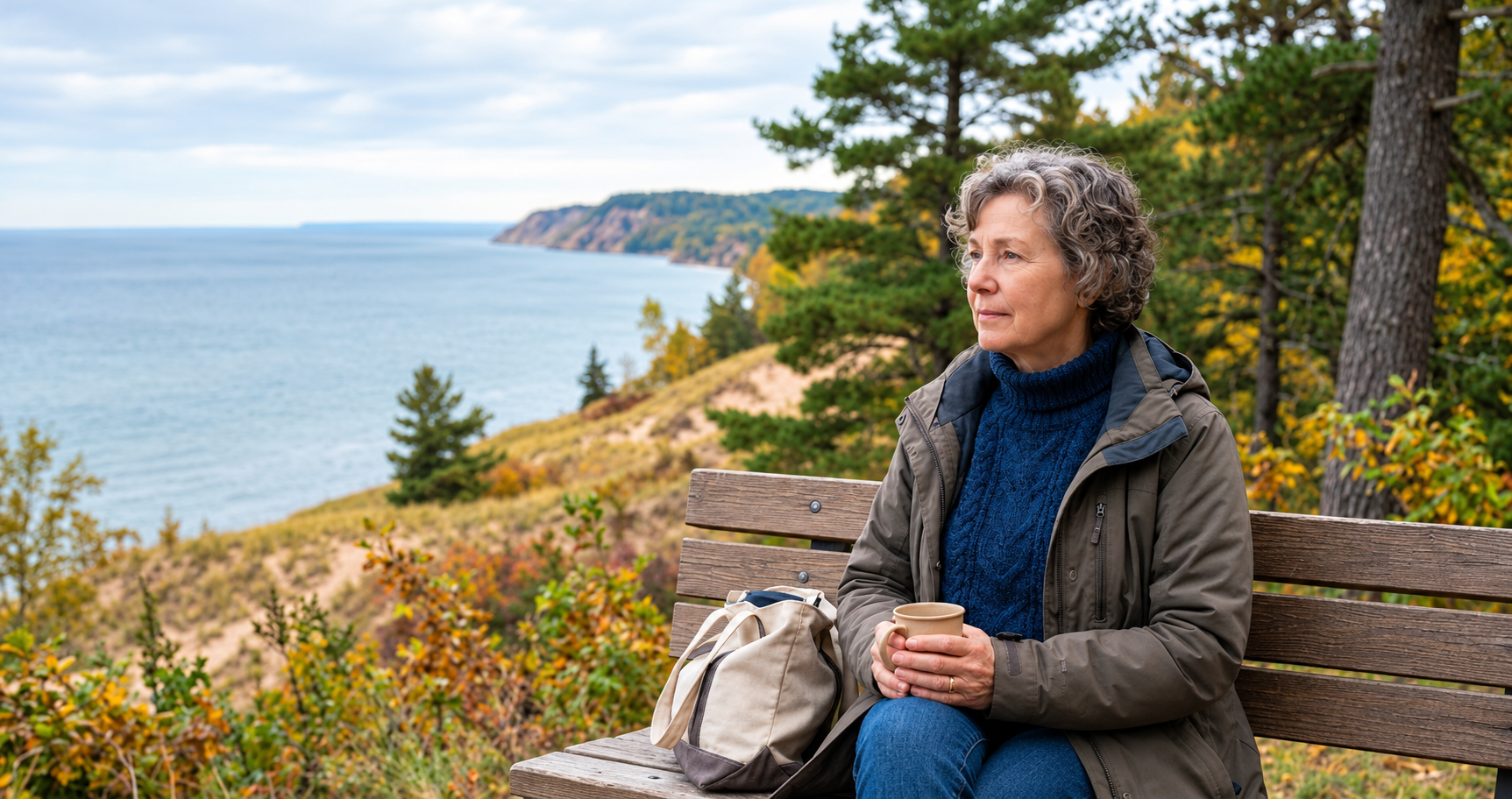
You can be surrounded by people and still feel alone. You might talk to family, see coworkers every day, or stay in touch with friends without feeling truly understood or supported. These experiences can be difficult to explain, but they deserve attention.
Understanding loneliness statistics in Michigan helps put these experiences into perspective. State and university research offers insight into social isolation, the availability of emotional support, and the challenges some older adults face when maintaining meaningful relationships.
These numbers represent more than survey responses. They reflect the importance of feeling connected, having people to turn to, and knowing where to seek support when loneliness begins affecting emotional well-being.
Key Loneliness Statistics in Michigan
Michigan’s 2023 Behavioral Risk Factor Survey (BRFS) provides insight into social connection and support across the state.
According to the Michigan Department of Health and Human Services’ BRFS data, the 2023 results included the following findings:
| Indicator | Percentage |
| Adults reporting social isolation or loneliness | 30.4% |
| Adults reporting a lack of social and emotional support | 22.9% |
These figures highlight the importance of social connection in Michigan. However, the 30.4% figure combines social isolation or loneliness into one measure; it should not be interpreted as the percentage experiencing loneliness alone.
Social isolation and loneliness are related, but they are not identical. A person may have limited contact with others without feeling lonely, while someone with an active social life may still feel emotionally disconnected.
Social Connection Statistics: How Often Do People Stay in Touch?
Social connection involves more than the number of people someone knows. The quality of relationships, frequency of contact, and availability of meaningful emotional support can all matter.
The University of Michigan’s research on older adults offers additional insight into friendship and social support. Its Michigan findings on close friendships and loneliness reported that:
- 88% of Michigan adults aged 50 and older had at least one close friend.
- 12% reported having no close friends.
- 24% said they did not have enough close friends.
- Among respondents who described their mental health as fair or poor, 49% said they did not have enough close friends.
These findings suggest that having some social connections does not necessarily mean a person feels adequately supported.
A friendship can provide companionship, encouragement, and a place to discuss personal challenges. When these relationships are missing or difficult to maintain, a person may have fewer opportunities to receive emotional support.
Loneliness Among Older Adults in Michigan
Older adulthood can bring changes that affect social connection. Retirement, health challenges, mobility limitations, caregiving responsibilities, and the loss of loved ones may make it harder to maintain established relationships or develop new ones.
The University of Michigan’s Michigan Poll on Healthy Aging also examined feelings of isolation and lack of companionship among adults aged 50 and older.
Its February 2025 findings showed that 11.2% often felt a lack of companionship during the previous year. The percentage was higher among adults aged 50–64, at 17.8%, than among adults aged 65 and older, at 4.7%.
These results describe reported experiences within specific age groups, not every older adult’s experience. They also show why age groups should be examined separately rather than assuming that loneliness affects all older adults in the same way.
For more detail, readers can explore the University of Michigan’s Poll on Healthy Aging research.
Social connection can take different forms at different stages of life. A regular phone call, a shared activity, a visit with a trusted friend, or participation in a community group may provide meaningful opportunities to feel connected.
Loneliness and Mental Health in Michigan
Loneliness and mental health can influence one another, although the relationship is complex. Feeling disconnected may contribute to emotional distress, while depression, anxiety, chronic stress, or other difficulties may make social interaction feel more challenging.
The University of Michigan’s friendship research found that adults aged 50 and older who described their mental health as fair or poor were more likely to report not having enough close friends. In Michigan, this figure reached 49%.
This association does not establish that loneliness directly causes a mental health condition. Instead, it highlights a relationship between perceived social support and emotional well-being.
When people feel isolated, they may find it harder to share their concerns, ask for help, or participate in activities they once enjoyed. For others, emotional difficulties may make reaching out feel exhausting or overwhelming.
If sadness, low motivation, or emotional distress is making daily life harder, MiMood’s guide on what to do when you feel sad and depressed offers additional information about manageable steps and when professional support may be appropriate.
What Can Help Strengthen Social Connection?
There is no single solution that works for everyone. The most useful approach depends on a person’s circumstances, interests, health, and comfort level.
Here are some practical ways to create more opportunities for connection.
1. Reconnect With Someone You Trust
Consider contacting a friend, relative, former colleague, or neighbor. A short message or phone call can be a manageable first step if arranging a visit feels difficult.
You do not have to explain everything you are feeling at once. Simply starting a conversation may help reopen a connection.
2. Choose Activities That Match Your Interests
Community classes, local events, volunteering, hobby groups, and recreational activities can create opportunities to meet people with shared interests.
Start with an activity that feels realistic for your schedule, energy level, and mobility. Regular participation can make it easier to become familiar with others over time.
3. Make Connection Manageable
If social interaction feels overwhelming, begin with smaller steps. You might arrange a brief coffee with a friend, call someone for a few minutes, or participate in an online group related to an interest.
The goal is not to force yourself into constant social activity. It is to find forms of connection that feel meaningful and sustainable.
4. Look for Accessible Community Resources
Transportation, disability, health concerns, caregiving, and financial pressures can create practical barriers to social participation. Libraries, community centers, senior programs, and local organizations may offer activities or services that fit different needs.
If attending in person is difficult, phone calls and virtual activities may offer alternative ways to stay in touch.
5. Consider Professional Support When Needed
If loneliness occurs alongside persistent sadness, anxiety, hopelessness, or difficulty managing everyday responsibilities, speaking with a mental health professional may help you understand what you are experiencing and discuss appropriate support.
Professional care does not replace meaningful relationships or community involvement. Depending on your needs, it may complement these connections while helping you address emotional difficulties.
You can also explore MiMood’s mental health services to learn more about available care options.
Finding Mental Health Support in Battle Creek and Grand Rapids
Michigan’s loneliness statistics help explain the broader picture, but behind every percentage are people with different experiences and needs. Community activities and trusted relationships can create opportunities for connection. Still, when feelings of loneliness persist or occur alongside anxiety, sadness, or other emotional difficulties, finding appropriate support can be an important next step.
You do not have to wait until emotional distress becomes overwhelming to ask for help. A mental health professional can help you discuss your concerns, understand how they affect daily life, and consider appropriate options based on your individual needs.
MiMood provides mental health services in Battle Creek and Grand Rapids, Michigan. If ongoing emotional distress is affecting your well-being, you can visit MiMood’s website or call 888-810-3201 to ask about available services.
If you or someone you know is experiencing a mental health crisis or thoughts of suicide, Call or text 988 (Suicide & Crisis Lifeline), available 24/7. In an immediate, life-threatening emergency in the United States, call 911. If you are outside the United States, contact your local emergency service or crisis hotline.
Frequently Asked Questions
What percentage of people in Michigan experience loneliness or social isolation?
Michigan’s 2023 Behavioral Risk Factor Survey reported that 30.4% of adults were included in a combined measure of social isolation or loneliness. This figure does not measure loneliness alone.
What are the social isolation statistics in Michigan?
The same 2023 survey reported that 22.9% of adults lacked social and emotional support. This measure is related to, but distinct from, the combined social isolation or loneliness measure.
Is loneliness common among older adults in Michigan?
University of Michigan research found that 11.2% of Michigan adults aged 50 and older often felt a lack of companionship in the February 2025 survey findings. Experiences varied by age, with higher reported rates among adults aged 50–64 than among those aged 65 and older.
How can loneliness affect mental health?
Loneliness and mental health difficulties may be associated. Feeling disconnected can coincide with emotional distress, while depression or anxiety may make social engagement more difficult. The relationship varies between individuals, and survey associations do not establish direct causation.
What can I do if I feel lonely?
Consider reconnecting with someone you trust, participating in an activity that interests you, or exploring accessible community resources. If loneliness persists or affects your daily life, professional support may help you explore your concerns and identify appropriate next steps.
Where can I find mental health support in Michigan?
MiMood provides mental health services in Battle Creek and Grand Rapids. Visit MiMood’s website or call 888-810-3201 to ask about available services.
Conclusion
Loneliness statistics in Michigan show that social isolation, limited emotional support, and difficulties maintaining close friendships are important concerns. The 2023 state survey found that 30.4% of adults fell within a combined social isolation or loneliness measure, while 22.9% reported a lack of social and emotional support.
University of Michigan research also highlights differences among older adults and an association between perceived friendship support and mental health.
These findings are a reminder that meaningful social connection matters, but everyone’s circumstances are different. Reconnecting with trusted people, exploring community activities, and seeking professional support when needed can be useful steps toward improving emotional well-being.
For people in Battle Creek and Grand Rapids who are experiencing ongoing emotional distress, MiMood can be contacted at 888-810-3201 to learn about available mental health services.
Medical Disclaimer: This article is for general educational purposes only and is not a substitute for professional medical advice, diagnosis, or treatment. Survey findings describe groups and should not be used to diagnose an individual. Speak with a qualified healthcare professional if you have concerns about your mental health.