
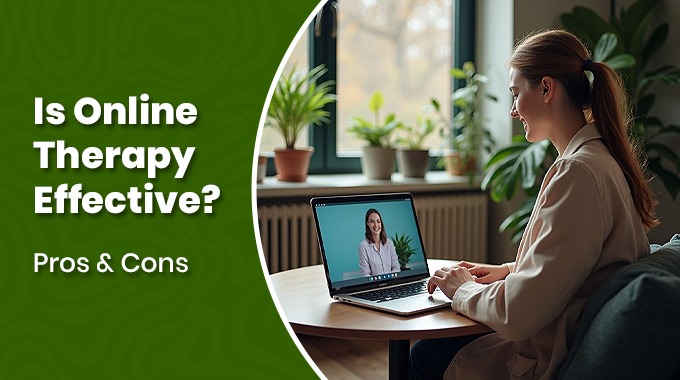
Online therapy—also known as teletherapy—is transforming the way people access mental health support. Instead of visiting a clinic, individuals can now connect with licensed therapists through video calls, phone sessions, or even text-based platforms, all from the comfort of their own space. What once felt like a secondary option has quickly become a preferred choice for many.
In recent years, the rise of digital platforms, busy lifestyles, and increased awareness around mental health have made online therapy more popular than ever. It offers flexibility, privacy, and accessibility—especially for those who may find it difficult to attend in-person sessions due to time, location, or personal comfort.
But as convenient as it sounds, an important question remains: can virtual sessions truly match the depth, connection, and effectiveness of traditional face-to-face therapy?
What Is Online Therapy?
Online therapy, also known as teletherapy, is a modern and convenient way to access mental health support from anywhere. Instead of visiting a therapist’s office, you can connect with a licensed professional through your phone, laptop, or tablet—making care more flexible, private, and accessible.
It works just like traditional therapy, but in a virtual setting. You can schedule sessions, talk through your concerns, and receive guidance tailored to your needs—all without leaving your home.
Why Online Therapy Is Gaining Popularity
- Flexible Access: Attend sessions anytime, from anywhere
- Multiple Communication Options: Choose what suits you best
- Greater Comfort: Open up from a familiar, safe environment
- Wider Reach: Connect with therapists beyond your local area
Common Formats of Online Therapy
- Video Calls: Closest to face-to-face interaction
- Phone Sessions: Ideal for privacy and low bandwidth
- Chat/Text Therapy: Perfect for those who prefer writing
Easy Accessibility Through Digital Platforms
Online therapy platforms and apps make it simple to find and connect with qualified therapists based on your preferences, availability, and specific needs—removing common barriers like travel, time constraints, and limited options.
With its blend of convenience and effectiveness, online therapy is quickly becoming a go-to choice for modern mental health support.
How Effective Is Online Therapy?
Online therapy has grown rapidly in recent years, and research shows that it can be just as effective as traditional in-person therapy for many mental health concerns. Studies have found that virtual therapy—especially approaches like cognitive behavioral therapy (CBT)—can lead to significant improvements in emotional well-being, helping individuals manage symptoms and build healthier coping strategies.
What Research Says
Multiple studies indicate that online therapy delivers comparable results to face-to-face sessions for common mental health conditions. Clients often report reduced symptoms, improved mood, and high satisfaction levels, particularly when sessions are consistent and guided by a qualified therapist.
Conditions It Works Best For
Online therapy is especially effective for:
- Anxiety disorders – helps manage excessive worry and panic
- Depression – supports mood improvement and emotional balance
- Stress and burnout – provides coping tools and relaxation techniques
- Mild to moderate mental health concerns – ideal for ongoing support
However, it may be less suitable for severe psychiatric conditions or crisis situations that require immediate, in-person care.
Also Read: Is CBT better than medication?
Online Therapy vs. In-Person Therapy
When comparing online therapy to traditional face-to-face sessions, the effectiveness often depends on individual needs and preferences. Online therapy offers convenience, accessibility, and comfort, while in-person therapy may provide a stronger sense of personal connection and allow therapists to better observe non-verbal cues.
Overall, for many people, online therapy is not just a convenient alternative—it’s a highly effective option that delivers real, measurable results when used consistently.
Pros of Online Therapy
- Convenience & Flexibility
You can attend sessions from anywhere, whether at home or while traveling. Flexible timing makes it easier to fit therapy into a busy schedule without commuting. - More Affordable Options
Online therapy is often more cost-effective than in-person sessions, with many platforms offering budget-friendly plans and flexible pricing. - Greater Accessibility
It makes mental health support available to people in remote areas or those who have mobility or health challenges that make travel difficult. - Comfort & Privacy
Being in your own space can help you feel more relaxed and open during sessions, while also avoiding the discomfort of visiting a clinic. - Wider Choice of Therapists
You’re not limited by location, so you can choose a therapist who best fits your needs, preferences, and communication style.
Cons of Online Therapy
- Lack of Personal Connection
Virtual sessions can sometimes feel less personal, making it harder for therapists to pick up on body language, facial expressions, and other non-verbal cues. - Technology Issues
Poor internet connection, audio delays, or platform glitches can interrupt sessions and affect the overall experience. - Not Suitable for Severe Conditions
Online therapy may not be ideal for individuals dealing with severe mental health issues or crisis situations, where immediate, in-person support is often necessary. - Privacy Concerns
Sharing personal information online can raise concerns about data security and confidentiality, especially on less secure platforms. - Distractions at Home
Being in a home environment can lead to interruptions or distractions, making it harder to stay fully focused during sessions.
Who Should Consider Online Therapy?
Online therapy can be a great option for people who need flexibility and easy access to mental health support. It works especially well for:
- Busy Professionals
Those with demanding schedules who find it hard to attend in-person sessions can benefit from the convenience of online therapy. - People with Mild to Moderate Mental Health Concerns
Individuals dealing with issues like stress, anxiety, or mild depression can effectively manage their symptoms through virtual sessions. - Those Living in Remote or Underserved Areas
People who don’t have easy access to nearby therapists can connect with qualified professionals online without location barriers. - Individuals Seeking Flexible Scheduling
Anyone looking for therapy that fits around their routine, with options for different times and formats, may find online therapy more suitable.
Wondering how long anxiety recovery takes? Read this expert guide from Behavioral Healthcare P.C. with psychiatrist-backed insights.
Who Might Not Benefit as Much?
Online therapy may not be the best fit for everyone. Individuals with severe mental health disorders or those in crisis often require immediate, in-person care and closer clinical supervision. It may also be less suitable for people who need intensive or emergency support. Additionally, those who are uncomfortable with technology or struggle to use digital platforms may find it difficult to fully engage in virtual sessions.
Tips to Make Online Therapy More Effective
- Choose a Licensed and Experienced Therapist
Working with a qualified professional ensures you receive the right guidance and support tailored to your needs. - Ensure a Stable Internet Connection
A strong and reliable connection helps avoid interruptions and keeps sessions smooth and focused. - Create a Quiet, Private Space
Find a calm environment where you can speak openly without distractions or interruptions. - Be Consistent with Sessions
Regular attendance helps build progress and maintain continuity in your therapy journey. - Stay Open and Honest
Sharing your thoughts and feelings honestly allows your therapist to better understand and support you.
Frequently asked questions
- Is online therapy as effective as face-to-face therapy?
Yes, for many people, online therapy can be just as effective as in-person sessions—especially for issues like anxiety, depression, and stress. Its success depends on consistency, the therapist’s expertise, and your comfort with the format. - Is online therapy safe and confidential?
Most reputable platforms use secure and encrypted systems to protect your privacy. However, it’s important to choose a trusted service and ensure you’re in a private space during sessions. - How much does online therapy cost?
Online therapy is often more affordable than traditional therapy. Prices vary depending on the platform, therapist experience, and session type, but many options offer flexible pricing plans. - Can online therapy help with anxiety and depression?
Yes, online therapy is highly effective for managing anxiety and depression. It provides coping strategies, emotional support, and structured approaches like CBT to improve mental well-being. - What platform is best for online therapy?
The best platform depends on your needs, budget, and preferred communication style. Look for platforms that offer licensed therapists, secure communication, and flexible options like video, phone, or chat sessions.
Conclusion
Online therapy offers a powerful mix of convenience, accessibility, and affordability, making it an excellent option for many people. It allows you to receive professional support from anywhere and often at a lower cost, but it may lack the personal connection of in-person sessions and isn’t always suitable for severe or emergency situations.
Ultimately, its effectiveness depends on your individual needs, comfort level, and the type of support you’re seeking. For mild to moderate concerns, it can be just as effective as traditional therapy, while others may prefer or require face-to-face care.
If approached with the right expectations, online therapy is definitely worth trying—especially if you value flexibility and want a more accessible way to prioritize your mental well-being.
Explore more insightful blogs like this on our website to stay informed and make better decisions for your mental well-being.