
Understanding Your Depression Treatment Options in Michigan
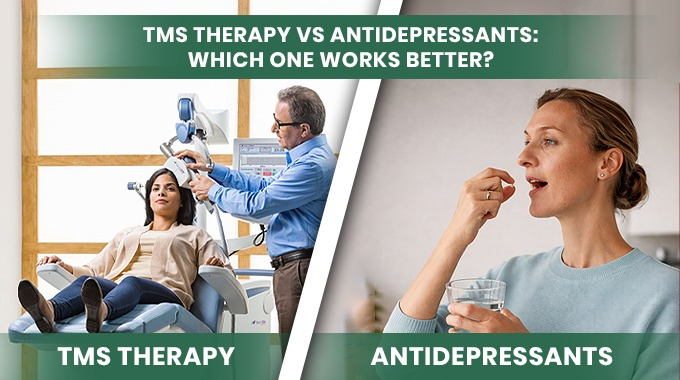
If you’re struggling with depression, choosing the right treatment can feel overwhelming. While antidepressant medications are commonly prescribed, many individuals are now exploring advanced options like Transcranial Magnetic Stimulation (TMS) therapy.
If you’ve been searching for “TMS therapy in Michigan” or wondering whether medication is the right path for you, this guide will help you understand both options and decide which one may work better for your needs. To make care more accessible, we also offer both in-person (offline) and online consultations, so you can receive expert guidance in a way that fits your comfort and schedule.
What Is TMS Therapy?
TMS (Transcranial Magnetic Stimulation) is a non-invasive, FDA-approved treatment for depression that uses targeted magnetic pulses to stimulate areas of the brain responsible for mood regulation.
It is especially helpful for individuals who have not found relief with antidepressant medications.
How TMS Therapy Works
- A specialized device delivers gentle magnetic pulses to specific areas of the brain
- These pulses activate underactive neural pathways linked to depression
- Patients remain awake and alert during the procedure
- Sessions are non-invasive and do not require anesthesia
- Individuals can resume normal daily activities immediately after treatment
- Minimal side effects compared to medications
TMS therapy is designed to target the root neurological patterns associated with depression, making it a safe and effective option for many individuals seeking alternative treatment approaches.
Learn more: How TMS Therapy Works: A Step-by-Step Guide to Brain Stimulation Treatment
What Are Antidepressants?
Antidepressants are prescription medications that help regulate brain chemicals like serotonin and norepinephrine, which influence mood and emotions. They are often used as a first-line treatment for mild to moderate depression.
These medications can help reduce symptoms such as sadness, anxiety, and low energy, but they usually take a few weeks to show noticeable results. Finding the right medication and dosage may require some adjustments, along with regular follow-ups with a doctor.
Common Types of Antidepressants
- Selective Serotonin Reuptake Inhibitors (SSRIs): Commonly prescribed and generally well-tolerated; they work by increasing serotonin levels in the brain
- Serotonin-Norepinephrine Reuptake Inhibitors (SNRIs): Help balance both serotonin and norepinephrine, which can improve mood and energy levels
- Tricyclic Antidepressants (TCAs): An older class of medications that can be effective but may have more noticeable side effects
- Monoamine Oxidase Inhibitors (MAOIs): Typically used when other treatments haven’t worked and require certain dietary precautions
These medications are usually taken daily and may take a few weeks to show noticeable improvements, with regular monitoring to ensure effectiveness and safety.
⚠️ Medication Disclaimer
Antidepressants should only be used under the guidance of a qualified healthcare professional and are not a substitute for personalized medical advice.
Always consult your provider before starting, stopping, or changing any medication, as individual responses may vary.
TMS Therapy vs Antidepressants: Which Works Better?
Effectiveness
- TMS Therapy: Highly effective for treatment-resistant depression, especially when medications have failed
- Antidepressants: Effective for many people, but may require trial and error to find the right type and dosage
Side Effects
- TMS Therapy: Minimal side effects, typically mild scalp discomfort or headache
- Antidepressants: May include weight gain, fatigue, nausea, sexual side effects, and mood fluctuations
Convenience
- TMS Therapy: Requires scheduled clinic visits, but no daily medication
- Antidepressants: Easy to take at home but require strict daily consistency and monitoring
Long-Term Results
- TMS Therapy: Can provide long-lasting relief, often reducing the need for ongoing medication
- Antidepressants: May require long-term or lifelong use to maintain results
Who Should Consider TMS Therapy?
TMS therapy may be a better option if you:
- Haven’t responded to two or more antidepressants
- Experience unwanted side effects from medications
- Prefer a non-drug treatment approach
- Want long-term symptom relief without daily medication
- Are actively searching for “TMS specialists in Michigan”
Before starting TMS therapy, it’s important to understand whether it’s the right fit for you. Read our detailed guide on Who Should Avoid TMS Treatment to learn about safety considerations and eligibility.
Who Should Consider Antidepressants?
Antidepressants may be suitable if you:
- Are experiencing depression for the first time
- Prefer a widely accessible and lower upfront cost treatment
- Are comfortable with daily medication use
- Have mild to moderate symptoms
When to Seek Immediate Help
If you or someone you know is experiencing severe depression symptoms such as thoughts of self-harm, suicide, extreme hopelessness, or inability to function in daily life, it’s important to seek immediate professional help. Contact a healthcare provider, mental health specialist, or a crisis helpline right away—timely support can be life-saving and ensure you receive the care you need.
Looking for TMS Therapy in Michigan?
If you’re exploring effective depression treatments, our clinic offers advanced TMS therapy designed to help individuals regain control of their mental health.
Why Choose Us for TMS Therapy?
- Experienced mental health professionals
- Personalized treatment plans tailored to your needs
- Insurance-supported services
- Proven results for treatment-resistant depression
- Flexible care options with both in-person and online consultations
Frequently Asked Questions
1. Is TMS therapy more effective than antidepressants?
TMS therapy can be more effective for individuals who have not responded well to medications. However, antidepressants are often effective for many people, especially as a first-line treatment.
2. Does TMS therapy have any side effects?
TMS therapy has minimal side effects compared to medications. Some people may experience mild scalp discomfort or headaches, which usually improve over time.
3. How do I know if I should switch from antidepressants to TMS?
If you’ve tried multiple medications without improvement or experienced unwanted side effects, it may be a good time to consult a specialist about TMS therapy.
4. Can I use TMS therapy and antidepressants together?
Yes, in some cases, doctors may recommend combining both treatments to achieve better results, depending on your condition and response to treatment.
5. Do you offer online consultations for depression treatment?
Yes, we provide both online and in-person consultations, allowing you to access expert care in a way that fits your comfort and schedule.
Conclusion
Both TMS therapy and antidepressants can be effective treatments for depression, but the right choice depends on your individual needs, medical history, and treatment goals.
If medications haven’t worked for you or you’re looking for a long-term, non-invasive solution, TMS therapy may offer a powerful alternative. On the other hand, antidepressants remain a reliable starting point for many individuals.
The best approach is to consult with a qualified mental health professional who can guide you toward the most effective treatment plan.