
TMS Therapy for Depression in Battle Creek
TMS Therapy for Depression in Battle Creek, MI—A Safe, Drug-Free Path to Healing
“When Depression Feels Endless—There’s Still a Way Forward”
You’ve followed the advice. Tried medications. Put in the effort.
But the weight of depression hasn’t lifted.
If you’re feeling stuck in ongoing sadness, exhaustion, or emotional numbness, know this—you are not alone, and more importantly, you still have options.
At Behavioral Health Care, P.C., we provide advanced TMS therapy in Battle Creek, MI, a clinically proven, non-invasive treatment designed for individuals who haven’t found relief through traditional methods. Many people searching for “TMS therapy near me in Battle Creek” are now discovering a safe, effective alternative that works when other treatments don’t.
This is your chance to regain clarity, energy, and a sense of control over your life again.
If you’re looking for TMS depression treatment in Battle Creek, our team offers both in-clinic care and guided consultations. Let’s walk you through everything you need to know.
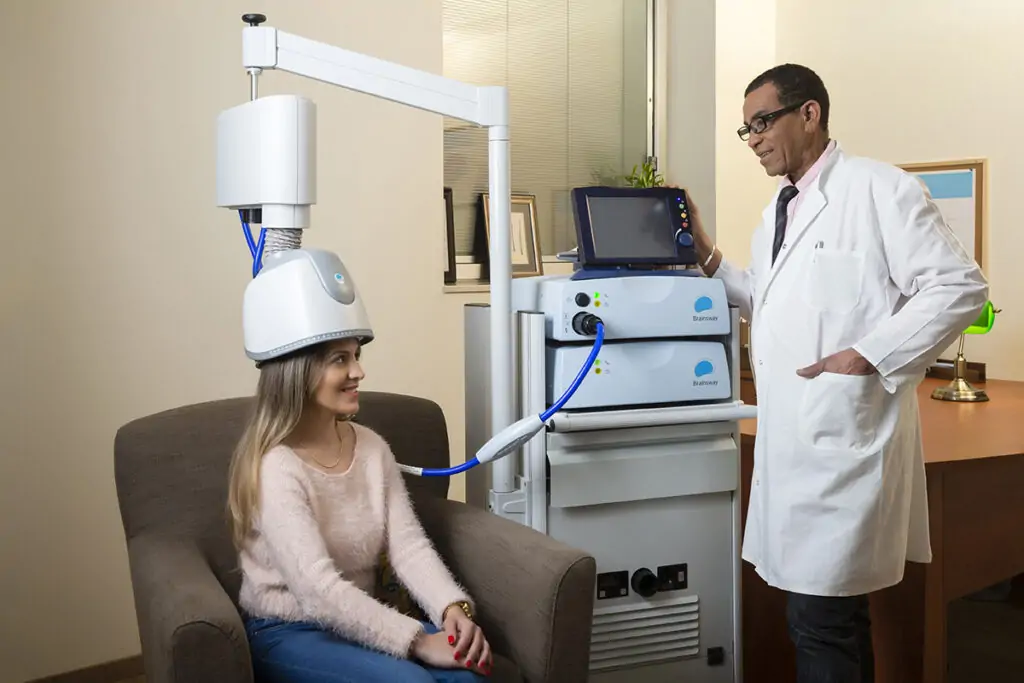
What is TMS Therapy?
TMS (Transcranial Magnetic Stimulation) is a safe, non-invasive treatment that targets specific areas of the brain linked to mood and depression. It works by gently stimulating these regions with precise magnetic pulses—helping your brain regain its natural balance and function.
There are no medications. No downtime. No sedation.
Just a clinically proven solution designed to help you move forward, feel lighter, and regain control of your life. Schedule your TMS consultation today and take the first step toward real relief.
How TMS Works - Step by Step
Consultation
A detailed evaluation to determine if TMS is right for you
Brain Mapping
Precise positioning of the treatment coil for accuracy
First Session
Gentle tapping sensation; sessions last around 20 minutes
Treatment Plan
Typically 5 sessions per week for 4–6 weeks
Progress Monitoring
Continuous support and tracking from your care team
Who is TMS for?
TMS treatment in Battle Creek is ideal for individuals who:
- Have tried antidepressants without success
- Are diagnosed with major depressive disorder (MDD)
- Prefer a non-medication treatment option
- Experience unwanted side effects from medications
Whether you’re exploring TMS for the first time or looking for a better solution after years of struggle, Behavioral Health Care, P.C., offers a personalized and supportive approach to care.
We may also recommend complementary therapies to support long-term recovery and overall mental wellness.
Who Should Avoid TMS?
While TMS is safe for most individuals, it may not be suitable for:
- People with metal implants in or near the head
- Individuals with a history of seizures (case-by-case basis)
- Patients with certain unstable medical conditions
Our specialists in Battle Creek will carefully review your medical history before starting treatment.
TMS vs Other Depression Treatments
| Feature | Medications | TMS Therapy | ECT (Electroconvulsive Therapy) |
|---|---|---|---|
| Side Effects | Weight gain, fatigue | Mild scalp tapping | Memory loss possible |
| Drug-Free | ✗ | ✓ | ✓ |
| Sedation Required | ✗ | ✗ | ✓ |
| Downtime | Daily impact | None | Recovery time |
| Insurance Coverage | Sometimes | Often covered | Covered |
Risks of TMS Therapy
TMS is widely considered safe, with minimal risks such as:
- Mild headaches after sessions
- Temporary scalp discomfort
- Rare risk of seizure (<0.1%)
- Occasional dizziness or tingling
Side Effects of TMS
Most side effects are mild and short-lived:
- Light tapping sensation during treatment
- Mild headache or fatigue
- Temporary scalp sensitivity
- Mild tingling or discomfort at the treatment site
No weight gain. No memory loss. No systemic side effects.
Why Is Transcranial Magnetic Stimulation Done?
Transcranial Magnetic Stimulation (TMS) is widely used to treat depression, especially when traditional treatments like medication or therapy haven’t provided enough relief. Many individuals in Battle Creek turn to TMS after trying multiple antidepressants without seeing meaningful improvement.
It is particularly effective for conditions like Major Depressive Disorder (MDD) and is often recommended for treatment-resistant depression. For those who struggle with medication side effects, TMS offers a safe, non-invasive, and drug-free alternative.
By directly stimulating the brain areas responsible for mood regulation, TMS helps restore balance and function—offering renewed hope for individuals ready to move forward with a treatment that works.
TMS Treatment Details

Before Treatment
Before starting TMS therapy, there’s no special preparation needed, making it easy to begin without disrupting your routine. You can eat, drink, and continue taking your prescribed medications as usual. Our team in Battle Creek will guide you through everything so you feel fully informed and comfortable.

During Treatment
During your session, you’ll relax in a comfortable chair while the device delivers gentle magnetic pulses to targeted areas of your brain. The experience is quick, non-invasive, and typically very well tolerated by most patients. Many people describe it as a light tapping sensation on the scalp.

After Treatment
Once your session is complete, you can immediately return to your daily routine without any downtime. There’s no recovery period, so you can go back to work, drive, or continue your day as planned. This makes TMS therapy a convenient option for busy schedules.
Benefits of TMS Therapy
- FDA-cleared and clinically proven
- Long-lasting symptom relief
- No medication-related side effects
- Supports natural brain function
- Helps restore motivation, energy, and emotional balance
TMS is becoming an essential part of modern behavioral health care, with many individuals in Battle Creek now experiencing meaningful results through structured, clinician-guided TMS programs at Behavioral Health Care, P.C.

Client Testimonial
Real Patient Experiences
When to Contact a Specialist
If your symptoms aren’t improving, your depression is starting to interfere with your daily life, or you’re experiencing any unexpected side effects, it’s important to take the next step and seek professional support. You don’t have to keep pushing through on your own—getting the right help at the right time can make all the difference. Our Battle Creek team is here to listen, guide, and help you move forward with a treatment plan that actually works.TMS therapy at the University of Michigan Health safely uses magnetic stimulation to target brain areas involved in depression and improve symptoms without medication.
Types of TMS Therapy Available
The most commonly used and FDA-approved method for treating depression, delivering consistent magnetic pulses to targeted brain regions.
Reaches deeper areas of the brain and may be beneficial for individuals with more severe or treatment-resistant depression.
A faster treatment option with shorter session times, ideal for patients with busy schedules. Your provider will recommend the best approach based on your condition and goals
Find TMS Therapy Near You
We provide advanced TMS therapy in Michigan with personalized plans for long-term depression relief and better mental wellness.
Michigan TMS Therapy
Our clinic offers customized, non-invasive TMS treatment to reduce depression symptoms and improve daily life.
Grand Rapids TMS Therapy
Prefer another location? Our Grand Rapids clinic offers the same evidence-based TMS care with flexible scheduling.
Looking for TMS therapy near you? Schedule your consultation today.
TMS Therapy in Battle Creek, MI
At Behavioral Health Care, P.C., we provide personalized TMS treatment in Battle Creek designed for real, lasting results.
What you can expect:
- Advanced, FDA-cleared TMS technology
- Sessions under 20 minutes
- Experienced clinical professionals
- Comfortable, supportive environment
- High success rates with long-term improvement
Our Care Approach
We focus on delivering accessible, patient-centered mental health care designed around your unique needs and goals. From the moment you connect with us, our team works closely with you to create a personalized treatment plan that fits your condition, lifestyle, and recovery journey. Every step is handled with complete confidentiality, ensuring you feel safe, supported, and understood throughout your experience.
We also make the process simple and stress-free with flexible scheduling options. Our goal is to remove barriers so you can focus entirely on your healing. If you’ve been searching for the best TMS therapy near you, you’re in the right place to start your journey toward real, lasting relief.
TMS Therapy FAQs
TMS therapy is a non-invasive treatment that uses magnetic pulses to stimulate areas of the brain linked to mood. It helps improve communication between brain cells and is commonly used for depression when other treatments have not worked.
Yes, TMS therapy is FDA-cleared and considered very safe. It does not require surgery or medication and has minimal side effects compared to traditional treatments like antidepressants or electroconvulsive therapy.
TMS therapy is ideal for adults with depression who have not responded to medications or cannot tolerate side effects. A consultation helps determine if this treatment is right for your specific condition and symptoms.
Most patients complete 20 to 30 sessions over 4 to 6 weeks. Treatments are typically scheduled five days a week, and progress is monitored to adjust the plan if needed.
Each session usually lasts between 15 to 20 minutes. The treatment is quick, and you can return to your normal routine immediately after each visit.
Most patients feel a light tapping sensation on the scalp during treatment. It is generally well tolerated, and any discomfort usually decreases after the first few sessions.
Many patients begin noticing improvements within 2 to 4 weeks. Full results often develop gradually over the course of treatment as brain activity becomes more balanced.
Side effects are usually mild and temporary, including scalp discomfort or a slight headache. Serious side effects are rare, making TMS a safe option for many patients.
Yes, most patients continue their current medications during TMS therapy. Your provider will review your treatment plan and make recommendations based on your specific needs.
Many insurance providers cover TMS therapy for depression, especially when other treatments have failed. Coverage varies, so it’s best to verify benefits with your provider.
While primarily used for depression, TMS may also help with anxiety, OCD, and other mental health conditions. Your provider will determine if it’s appropriate for your diagnosis.
Yes, there is no downtime after TMS therapy. You can drive, work, and continue your daily activities immediately after each session.
You should avoid having metal objects near your head during treatment and follow your provider’s instructions. It’s also important to attend sessions consistently for the best results.
Signs include improved mood, better energy levels, increased motivation, and reduced depressive symptoms. Your progress will be monitored throughout treatment.
You can schedule a consultation with Behavioral Health Care, P.C. in Battle Creek to determine your eligibility and begin a personalized TMS treatment plan.