
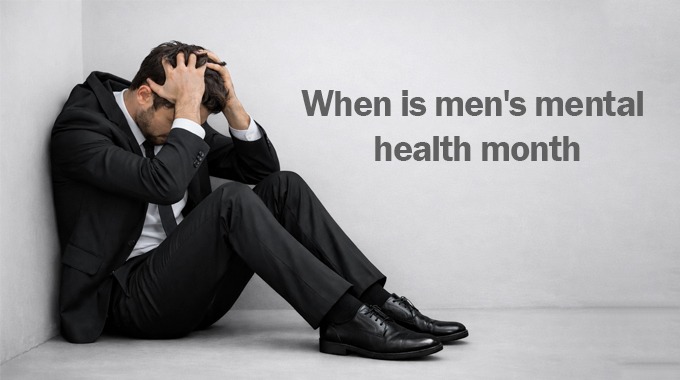
Men’s Mental Health Month is a dedicated awareness period that focuses specifically on the mental, emotional, and psychological well-being of men and boys. It is observed every year in June and serves to highlight the mental health challenges men commonly face while encouraging open, honest conversations about emotions, stress, depression, and overall well-being. The month aims to break down long-standing stigma that often discourages men from seeking help, promote early support and treatment, and increase access to mental health resources designed to address men’s unique social, cultural, and emotional experiences.
What Does Men’s Mental Health Month Mean?
At its core, Men’s Mental Health Month is about recognition and action. It acknowledges that men face real mental health challenges such as stress, anxiety, depression, and emotional isolation but are often less likely to talk about them or seek help. Social expectations around masculinity, strength, and self-reliance can make men feel pressured to suffer in silence. This awareness month aims to break those barriers by normalizing emotional expression and emphasizing that seeking help is a sign of strength, not weakness.
Also Read; What Is Bioresonance Therapy? Benefits, How It Works, and Its Role in Mental Health
Why We Celebrate Mental Wellness in Men Every June
June was chosen to align with Men’s Health Month, creating space to address both physical and mental well-being together. By dedicating this time to men’s mental health, advocates and organizations work to educate the public, encourage early intervention, and highlight available resources. The goal is simple but powerful: reduce stigma, save lives, and build healthier futures for men everywhere.
Quick Facts About Men’s Mental Health Awareness
- Men are less likely than women to seek professional mental health support
- Societal stigma is one of the biggest barriers preventing men from opening up
- Early awareness and conversation can significantly improve outcomes
- Mental health is just as important as physical health and both deserve equal attention
Men’s Mental Health Month serves as a reminder that conversations matter, support systems save lives, and mental wellness should never be ignored, especially for men who have long been taught to stay silent.
Why Men’s Mental Health Matters
Men’s mental health is a critical part of overall well-being, yet it often goes unspoken and unaddressed. Despite being just as susceptible to mental health challenges as anyone else, many men struggle in silence due to deep-rooted social norms and stigma that make it harder to talk about feelings, ask for help, or access support when needed.
The Stigma Around Men and Emotional Well-Being
One of the biggest barriers to mental health care for men is stigma, the belief that talking about emotions is a sign of weakness. From a young age, many boys are conditioned to “man up,” avoid showing vulnerability, and deal with problems on their own. This cultural expectation of toughness and emotional restraint can prevent men from recognizing warning signs, expressing distress, or seeking help through therapy or counseling.
Men often lack safe spaces to share how they feel, and even when they do want support, fear of judgment by friends, family, or coworkers can stop them from reaching out. This stigma contributes to untreated mental health issues growing worse over time, rather than being addressed early.
Key Mental Health Challenges Men Face
Men can experience a wide range of mental health challenges, including depression, anxiety, stress, burnout, substance use issues, and suicidal thinking. Cultural expectations and pressures around finances, work, relationships, and family responsibilities often add to emotional strain.
Instead of expressing feelings like sadness or fear, many men may show distress through irritability, anger, risk-taking behaviors, or withdrawal, a pattern that can mask underlying emotional pain and delay recognition and treatment.
High-Impact Awareness for Men’s Mental Health
High-impact awareness is essential in bringing attention to men’s mental health and breaking the stigma that often prevents men from speaking openly about their emotions. It focuses on changing mindsets, encouraging honest conversations, and creating supportive environments where men feel comfortable seeking help.
Raising awareness highlights that mental health is just as important as physical health. Through social media, public discussions, and real-life storytelling, awareness efforts help normalize emotional expression and challenge harmful stereotypes. Community involvement and open conversations further strengthen support systems, helping men understand they are not alone and encouraging them to prioritize their mental well-being.
Also Read; Burnout: Recognizing and Preventing It
Breaking the Silence: Conversations That Matter
Breaking the silence around men’s mental health starts with confronting harmful stereotypes like “man up,” which discourage emotional expression and reinforce the idea that vulnerability is weakness. In reality, healthy emotional expression allows men to process stress, seek support, and build resilience. Starting a tough conversation with a man you care about doesn’t require perfect words; listening without judgment, showing empathy, and offering reassurance can make a powerful difference. When families, friends, and workplaces actively create supportive spaces where men feel safe to talk openly, it fosters trust, reduces stigma, and encourages men to seek help before struggles become overwhelming.
Actionable Tips for Everyday Mental Health
Daily Practices That Improve Well-Being
- Maintain a regular sleep schedule
- Stay physically active, even with light exercise
- Take short breaks to manage stress
- Practice mindfulness or relaxation techniques
- Stay connected with friends and family
Professional Help: When and How to Seek It
- Seek help if stress or low mood lasts for weeks
- Reach out when emotions affect work or relationships
- Consider therapy or counselling for guidance and support
- Remember that asking for help is a sign of strength
Supporting a Loved One Through Their Struggle
- Listen without judging or interrupting
- Offer reassurance and emotional support
- Check in regularly and stay connected
- Encourage professional help with care and patience
Read more; Mental Health Tips: 5 Easy Ways to Feel Better
Global vs Local: How Different Regions Observe It
Men’s mental health awareness is recognized worldwide, but the way it is observed varies by region. In many countries, June is used to promote conversations around men’s emotional well-being through campaigns, education, and community outreach, while local organizations adapt the message to fit cultural attitudes and challenges. Alongside Men’s Mental Health Month, global initiatives like International Men’s Day on November 19 highlight men’s health, mental well-being, and positive role models, and Movember in November raises awareness for men’s mental health and suicide prevention alongside physical health issues. Together, these global and regional efforts ensure men’s mental health remains visible and supported throughout the year.
Calendar of Important Dates Around Men’s Mental Health
| Awareness Event | Date / Month | Focus Area |
| Men’s Mental Health Month | June | Mental, emotional, and psychological well-being of men |
| Men’s Health Week | Mid-June | Overall men’s health, including mental and physical wellness |
| International Men’s Day | November 19 | Men’s well-being, mental health awareness, and positive male role models |
This calendar helps highlight key moments throughout the year dedicated to supporting and promoting men’s mental health.
Frequently Asked Questions (FAQs)
- When is Men’s Mental Health Month observed?
Men’s Mental Health Month is observed every year in June, focusing on raising awareness about men’s emotional and psychological well-being. - Why is men’s mental health awareness important?
Men often face stigma around expressing emotions and seeking help, which can lead to untreated mental health issues. Awareness helps reduce stigma and encourages early support. - Is Men’s Mental Health Month the same as Men’s Health Month?
No. Men’s Health Month covers overall physical and mental health, while Men’s Mental Health Month specifically focuses on mental and emotional well-being. - How is Men’s Mental Health Month different from Movember?
Movember takes place in November and supports men’s health broadly, including mental health and suicide prevention. June is the dedicated month for men’s mental health awareness. - How can individuals support men’s mental health?
By encouraging open conversations, listening without judgment, sharing mental health resources, and supporting men in seeking professional help when needed.
Conclusion
Awareness has the power to change lives by breaking stigma, encouraging honest conversations, and reminding men that their mental health matters every day not just during one month. While Men’s Mental Health Month in June shines an important spotlight on the issue, support should extend throughout the year to create lasting impact.
Helping beyond June can be as simple as checking in on the men around you, listening without judgment, and promoting a culture where emotional openness is accepted and encouraged. Small, consistent actions starting conversations, sharing resources, and supporting professional help can make a life-changing difference. When awareness turns into everyday compassion, it creates safer spaces, stronger connections, and ultimately helps save lives.
June is officially recognized as Men’s Health Month, according to a Michigan government proclamation, reinforcing the importance of men’s mental health awareness.